
Agira città borgo
STORIA • TRADIZIONI • EVENTI
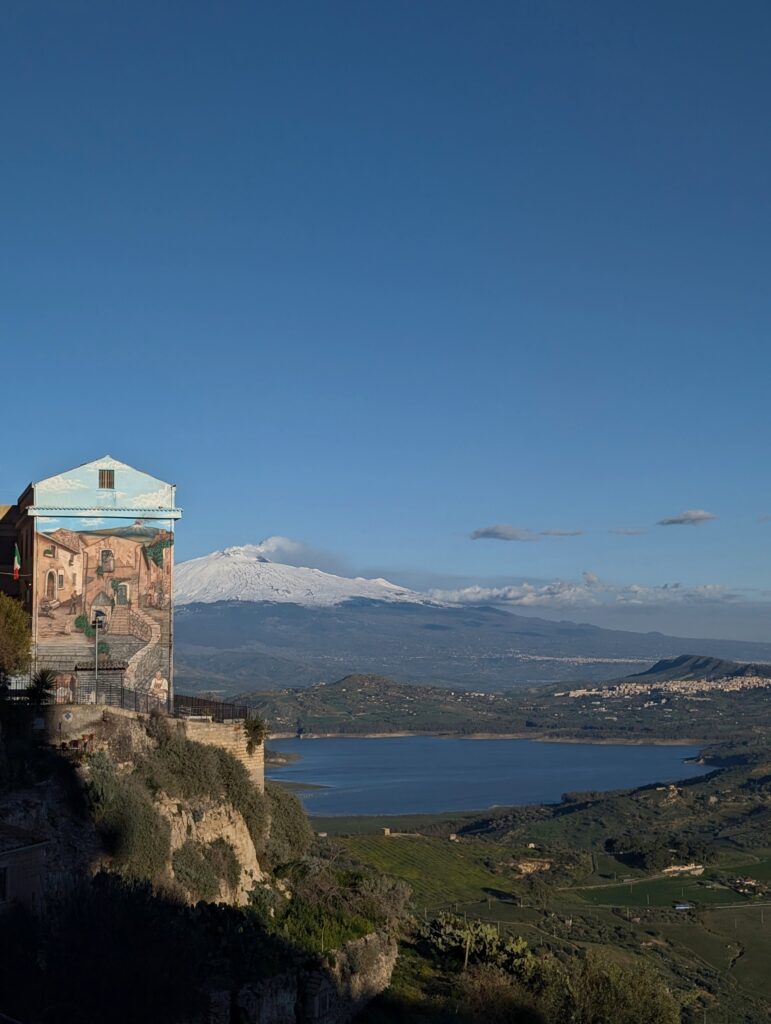
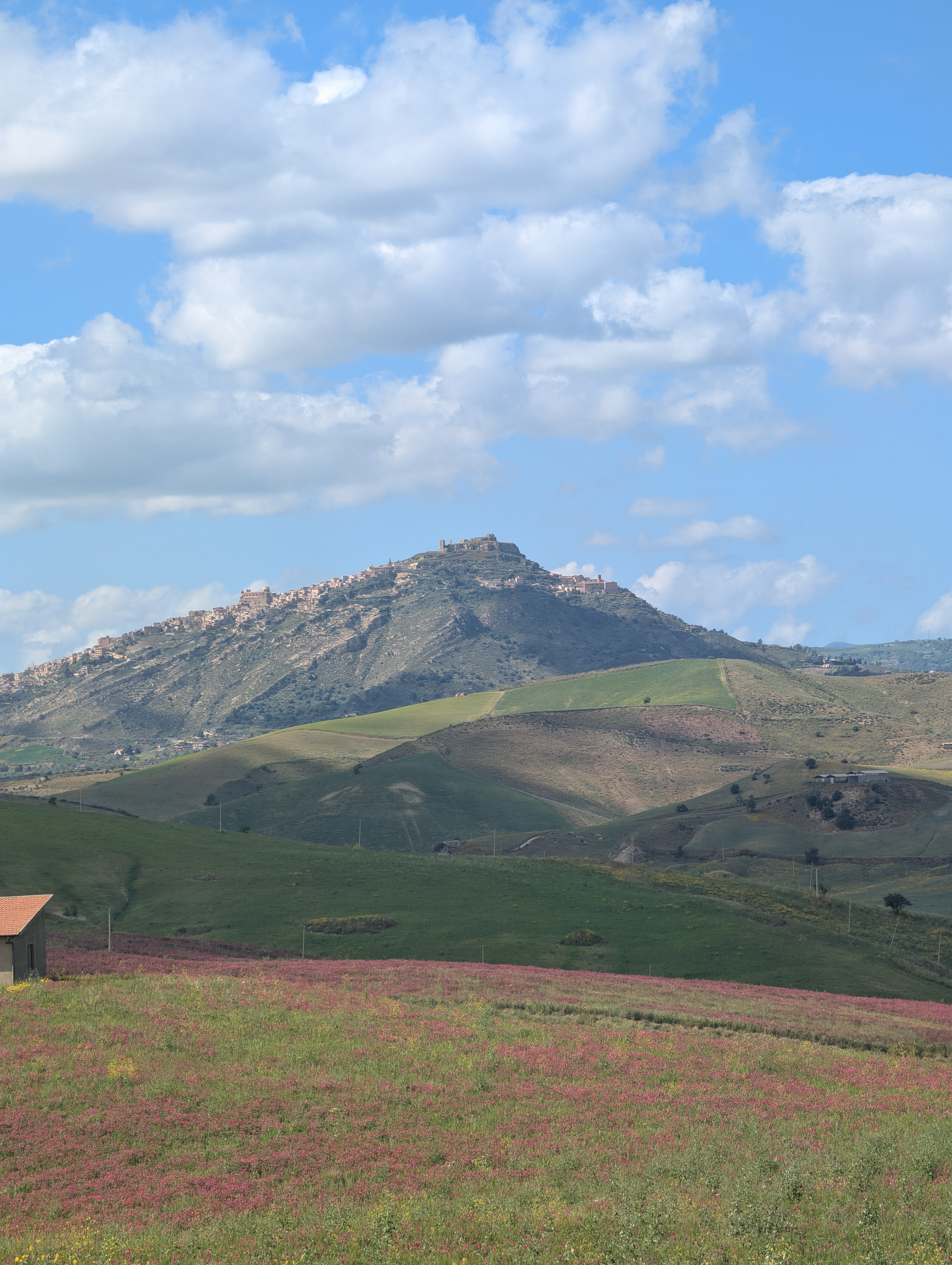
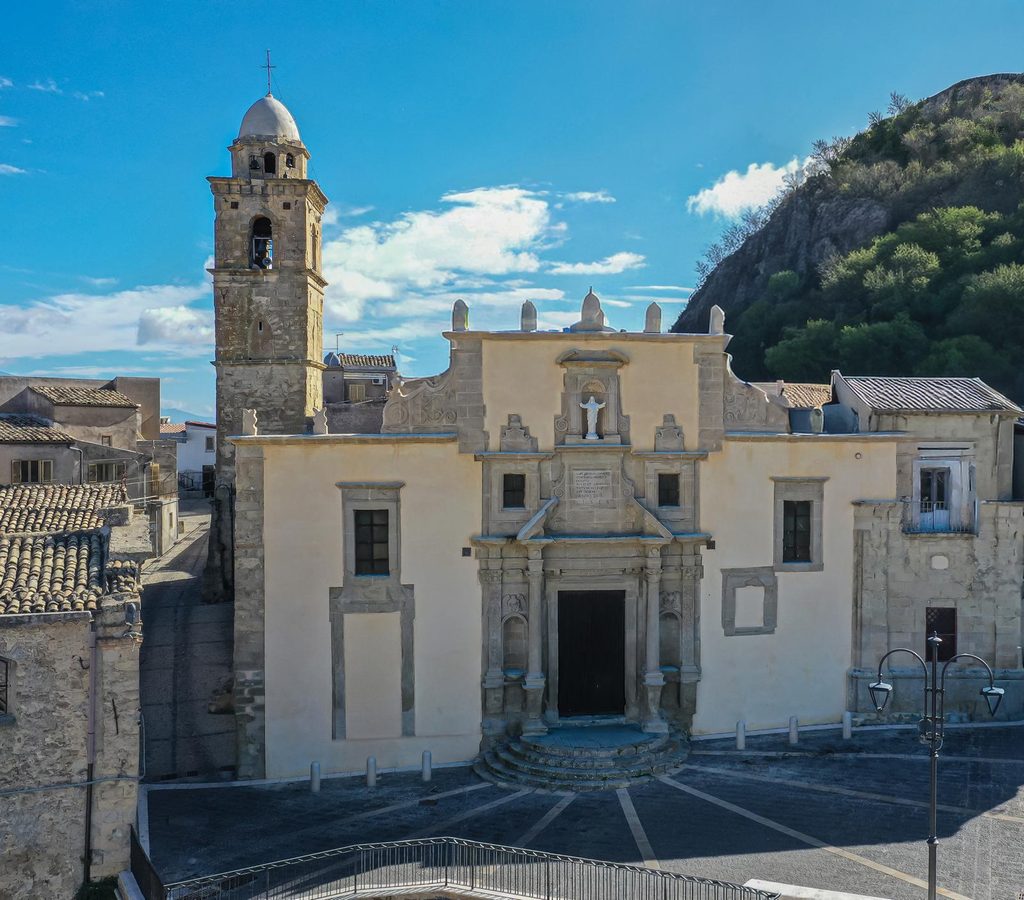
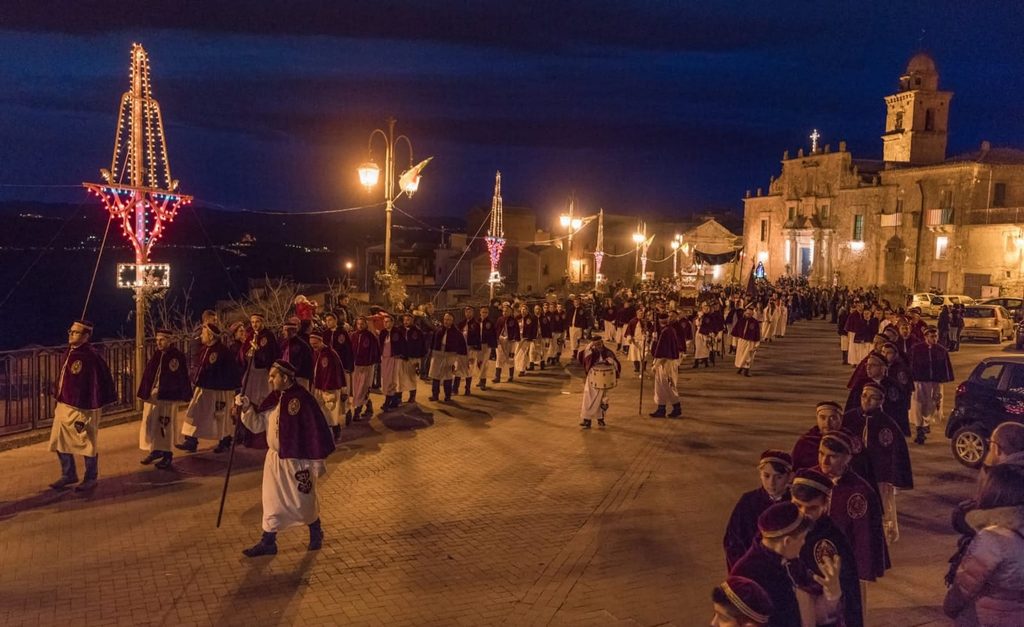
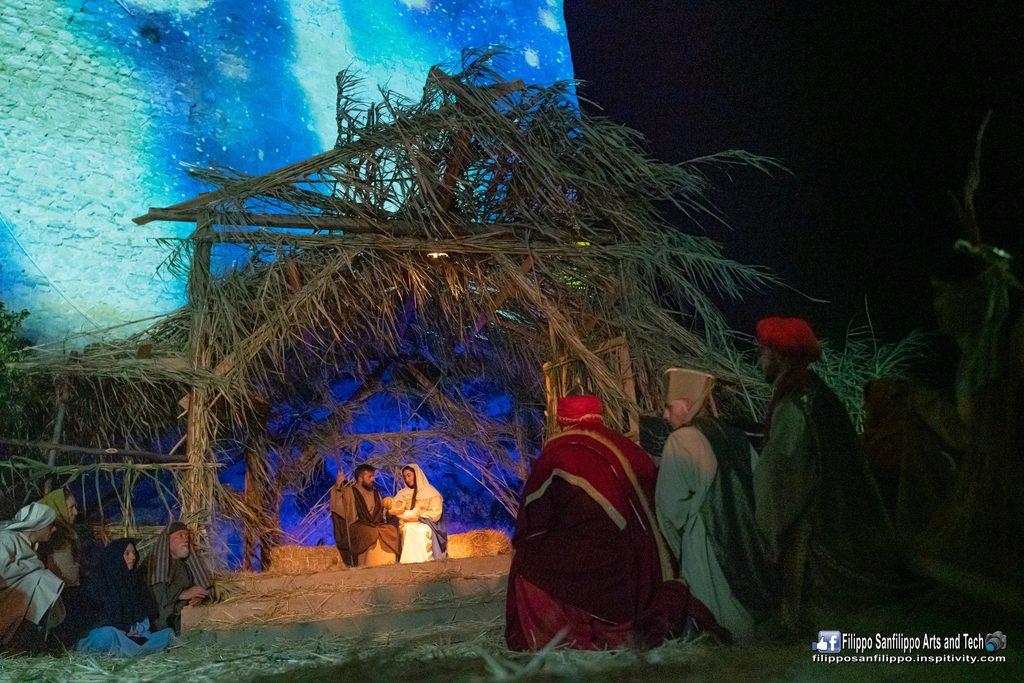
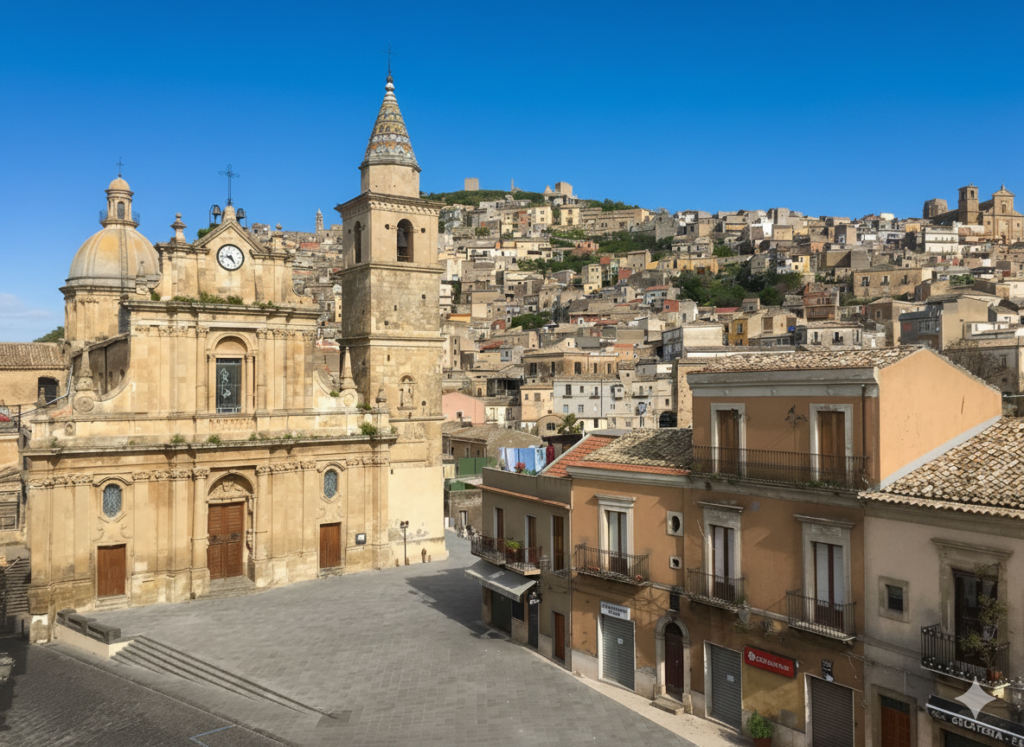
La città di Agira ha una storia importante; con la sua posizione domina un nodo viario: qui si incontra la strada che dalla piana di Catania va verso le montagne dell'interno con quella che attraversa la Sicilia da nord a sud. Con questa funzione ha attraversato le epoche storiche, finché il sistema delle autostrade non ha modificato le regole. Nell'antichità la città indigena precocemente ellenizzata ebbe notevole importanza: abbiamo notizie da Cicerone e Diodoro (che è appunto di Agira), ma non abbiamo grandi resti visibili. Tra tarda antichità e medioevo l'Abbazia di San Filippo di Agira è un punto di riferimento anche per la formazione di santi monaci in Sicilia e Calabria. I resti del castello svevo danno l'idea dell'importanza di Agira nel medioevo. Molte chiese hanno una importante fase edilizia tra XV e XVII secolo. Allo stesso periodo appartengono opere d'arte, anche di livello, conservate sempre nelle chiese. La fiera di Agira era un importante punto di riferimento per una vasta area fino a un recente passato. Con i resti monumentali e le opere d'arte che testimoniano il ruolo rivestito dalla città, si conservano (e si sta cercando di valorizzare) le caratteristiche dell'abitato abbarbicato alla montagna, un borgo che rispecchia le caratteristiche di un modo di vivere del passato che mantiene un suo fascino. Il presepe vivente si ripete rigorosamente la notte di Natale e, il 5 gennaio, la manifestazione di solidarietà e festa "Il pane per la vita". Altri appuntamenti fissi sono la Sagra della Cassatella in un fine settimana di novembre, i riti della Settimana Santa, il Motor Expò Agira con mostra-scambio di auto-moto-cicli ed accessori d'epoca in un fine settimana di marzo, "Passeggiando lungo la nostra storia" nei mesi di luglio e dicembre, "A Festa Ranni" in onore di San Filippo d'Agira il 12 maggio e il 12 agosto.
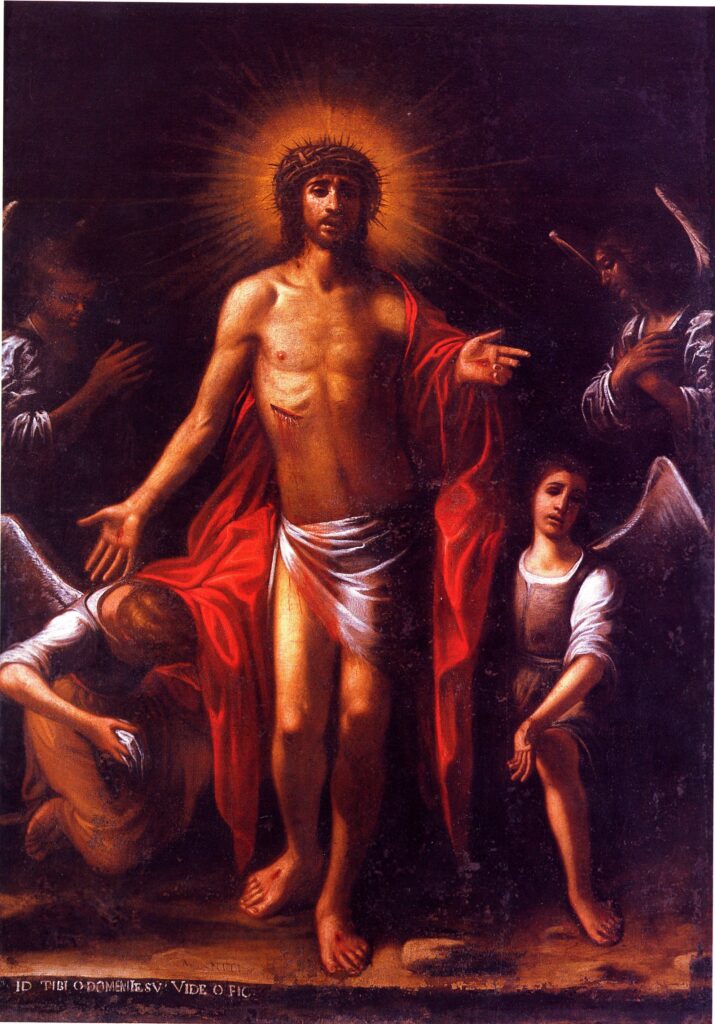
Mario Minniti, Le cinque piaghe del Signore
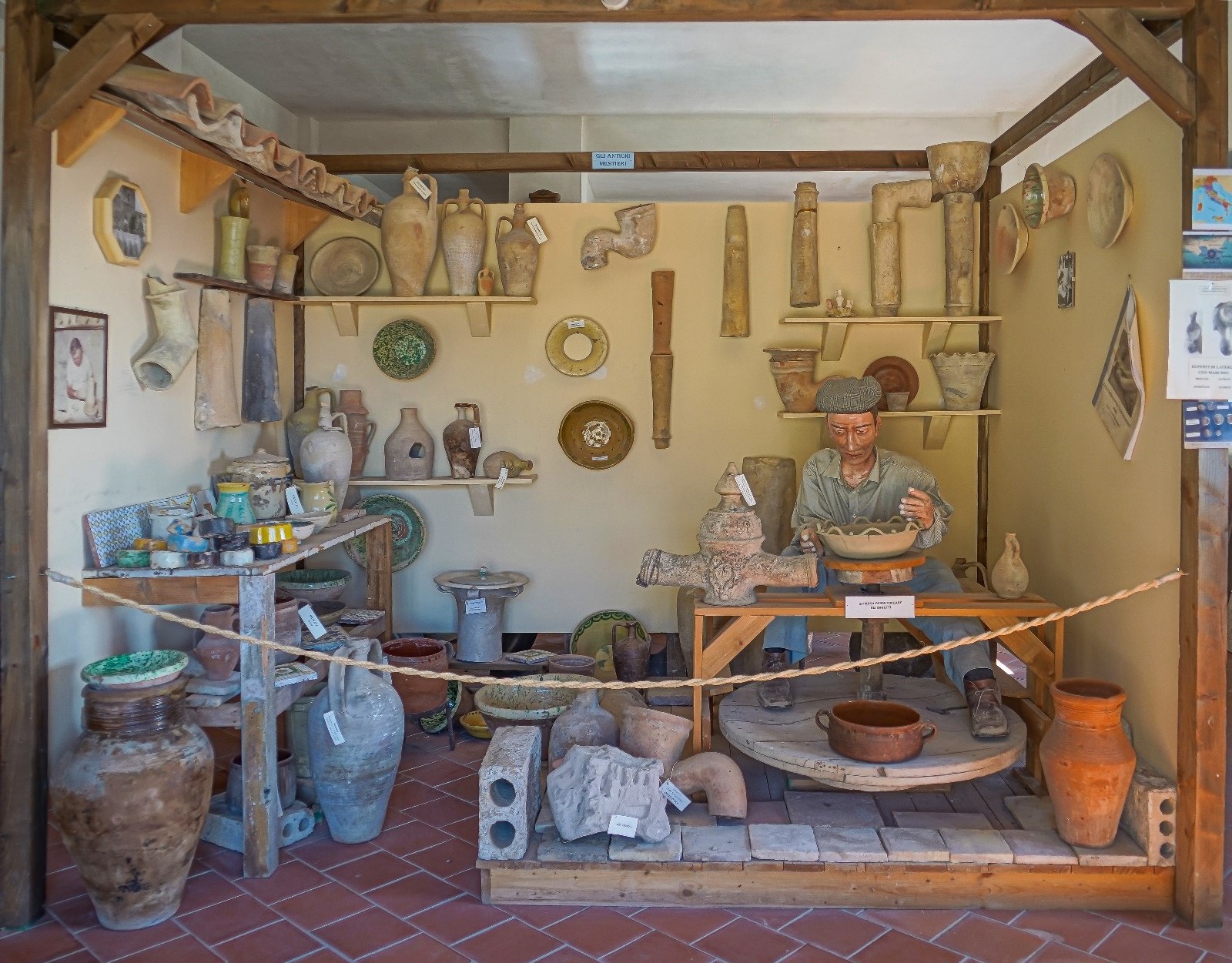
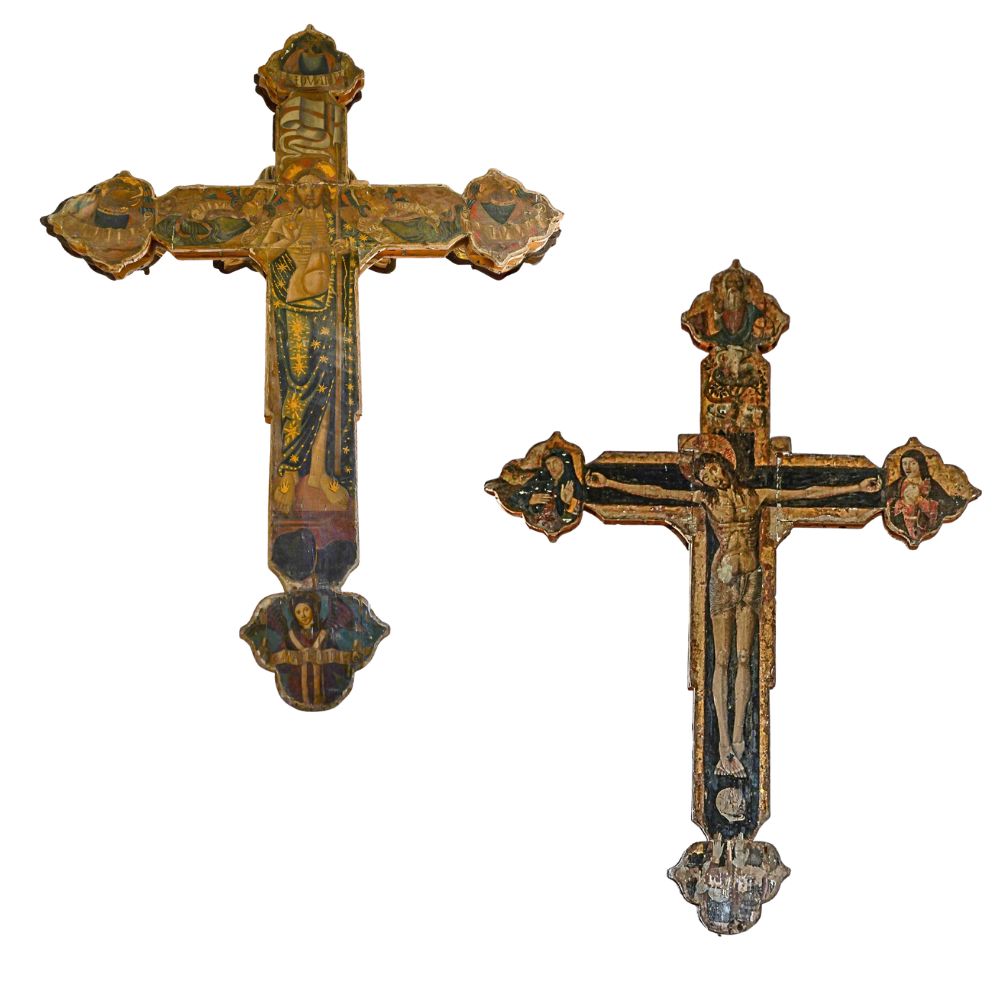
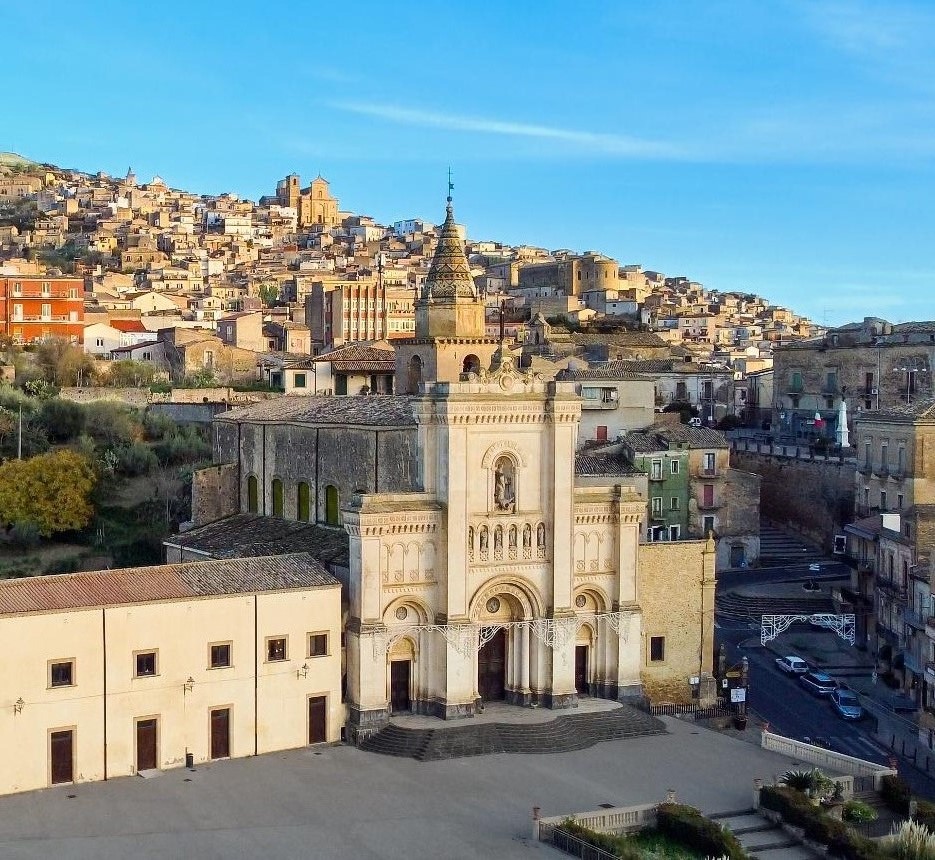
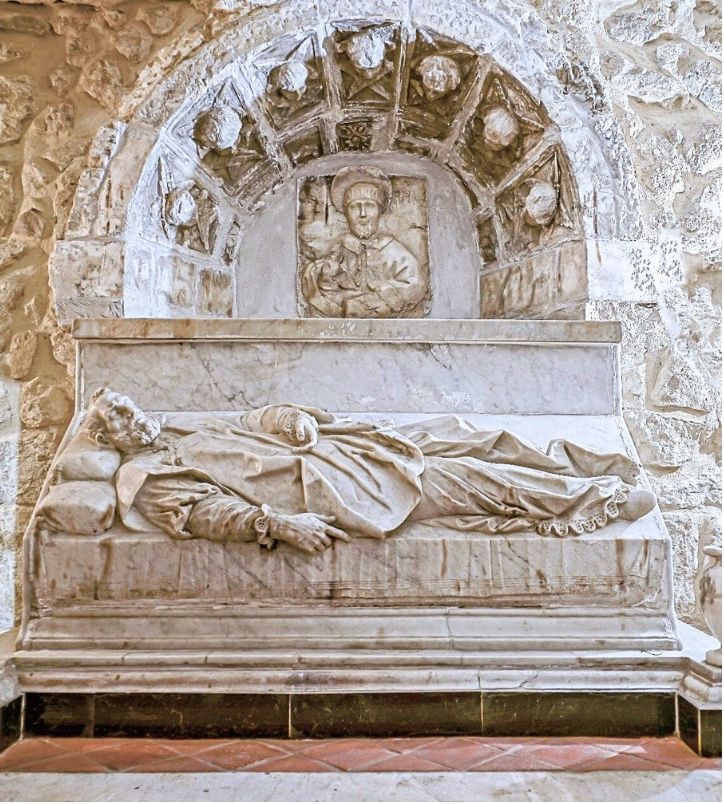
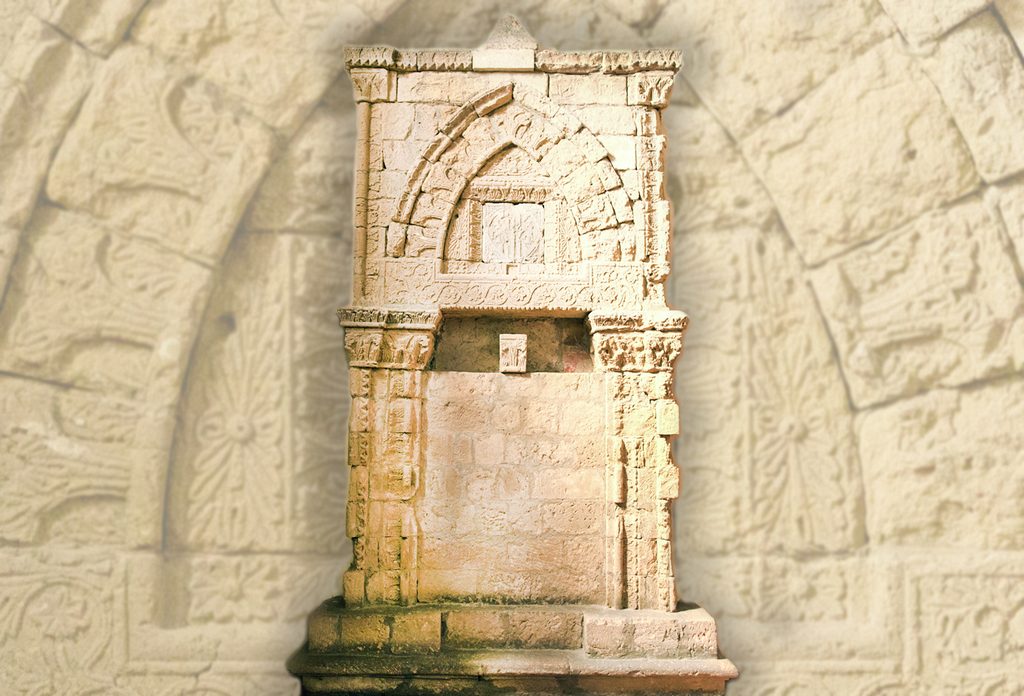
The town of Agira has a remarkable history. Thanks to its strategic position, it overlooks a key crossroads where the road from the Catania plain to the inland mountains meets the route that crosses Sicily from north to south. For centuries, this vantage point defined the town’s prominence, until the arrival of the modern highway network reshaped travel routes. In ancient times, this early-Hellenized indigenous settlement held considerable importance: both Cicero and Diodorus (himself from Agira) mention it, even though few visible remains survive today. Between Late Antiquity and the Middle Ages, the Abbey of St Philip of Agira became a key center for the formation of prominent monks and saints in Sicily and Calabria. The ruins of the Swabian castle still convey the town’s medieval significance. Many of Agira’s churches were built or renovated between the 15th and 17th centuries, and they preserve notable works of art from the same period. Until quite recently, Agira’s fair was a major commercial and social reference point for a wide surrounding area. Alongside its artistic and architectural heritage, the town retains the charm of its mountainside setting, a village where the atmosphere still reflects the rhythms and traditions of the past. Every Christmas Eve, the traditional live Nativity scene is performed, followed on 5 January by the celebration and solidarity event “Bread for Life” (Pane per la vita). Other annual highlights include the Cassatella Festival on a weekend in November, the Holy Week rituals, the Agira Motor Expo with a vintage car, motorcycle and scooter show and market in March, “Walking Through Our History” (Passeggiando lungo la nostra storia) in July and December, and “A Festa Ranni” (Great Feast) in honor of St Philip of Agira on 12 May and 12 August.